
A Complete Brno Astronomical Clock Explanation for Travelers
The Brno astronomical clock is one of the most famous landmarks in the Czech Republic. Many visitors find it confusing because it does not look like a traditional clock. This guide provides a clear Brno astronomical clock explanation to help you understand its unique design. The best way to experience it is to visit at 11:00 AM when it releases a glass marble. If you cannot make it then, you can still enjoy the modern art and historical symbolism. For those on a budget, this is one of the best free things to do in Brno during your 2026 trip.
What is the Brno Astronomical Clock?
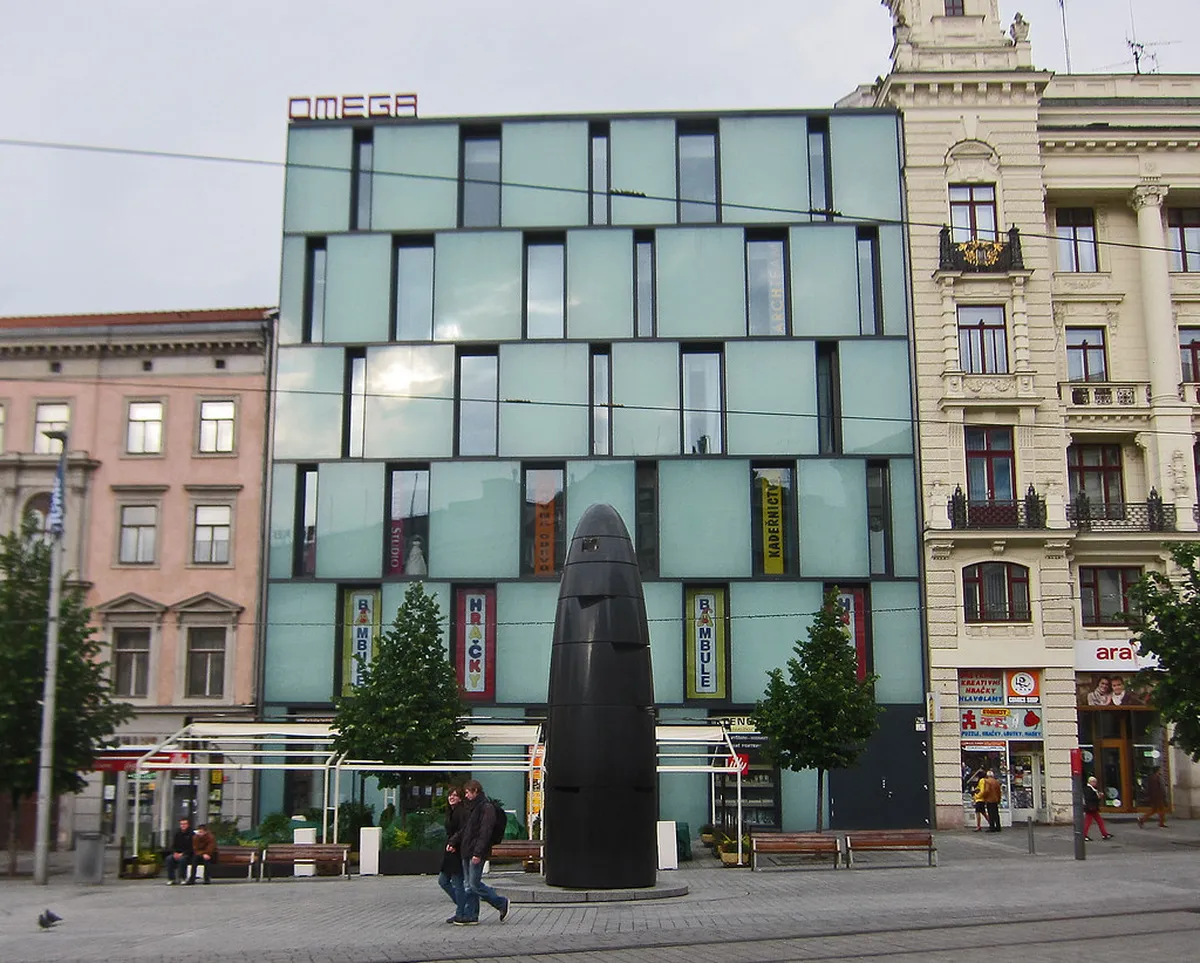
The Brno astronomical clock is a tall monument made of black African granite. It stands nearly six meters high in the center of Freedom Square. Local residents often call it the "bullet" or other nicknames because of its phallic shape. This shape is actually meant to represent a shell from the 1645 Swedish siege. It is a functional timepiece, but it requires a specific Brno astronomical clock explanation to read.
The clock was built in 2010 to mark the 365th anniversary of the city's defense. It is a piece of modern art that serves as a memorial. Unlike the famous clock in Prague, this one does not have hands or numbers. It uses rotating parts and glass lenses to show the time. It is located in the heart of the city near many best things to do in Brno.
Every day at 11:00 AM, the clock performs its most famous task. A small glass marble falls through one of four openings at the bottom. This event attracts large crowds of tourists and locals alike. If you want to see it, you should check the official tourism portal for any schedule changes. The clock is a symbol of the city's resilience and its modern spirit.
Brno Astronomical Clock Explanation: Reading the Time
Reading the time on this monument is a challenge for most people. The clock consists of several rotating stone segments. The very top part rotates once every minute. You can see a small marker that moves around the circumference. This indicates the passing seconds as the granite shifts slowly.
The next section down is where you find the hours and minutes. There are glass lenses built into the stone that magnify the markers inside. To understand the how to read the Brno astronomical clock system, look for the lines. The lines indicate quarter-hour intervals. When a line aligns with a specific lens, you can determine the current time.
The middle part of the clock rotates once every twelve hours. It features a map of the stars and the sun. This part is more decorative than practical for most travelers. However, it adds to the "astronomical" nature of the device. Most people find it easier to check their phones for the time.
Even if you cannot read the minutes perfectly, the 11:00 AM strike is clear. The internal mechanism prepares the marble release precisely at this hour. This unique timing is a tribute to the Cathedral of St. Peter and Paul. The bells there also ring noon at 11:00 AM to honor local history.
How to Catch a Glass Marble: A Step-by-Step Guide
Catching a marble is a competitive and fun activity in Brno. Only one marble is released each day, so you must be prepared. Many people try to get this souvenir, but only one person succeeds at each of the four holes. Follow these steps to improve your chances of success.
- Arrive Early: Reach Freedom Square by 10:15 AM. Competition is high, especially in the summer months of 2026. Arriving late is a common mistake that guarantees you will miss out.
- Choose an Opening: There are four holes at the base of the clock. Pick one and place your hand inside the padded opening. Typical cost for this activity is free, but it requires patience.
- Wait for the Vibration: Around 10:55 AM, you may feel the internal machinery start to move. Keep your hand steady and ready to catch. Do not remove your hand until the marble actually falls.
- Secure the Prize: At exactly 11:00 AM, the marble drops into one of the four chutes. If it falls into your hole, grab it quickly. Each marble has a unique design, often featuring the city colors or special event patterns.
If you fail to catch one, do not worry. You can find a glass marble from Brno clock time at the local tourist office. They sell similar marbles for a small fee. This is a great alternative if the crowds are too large during your visit.
The History and Meaning Behind the Monument
The clock is a tribute to the year 1645. During the Thirty Years' War, the Swedish army besieged Brno for several months. The Swedish general declared he would leave if the city did not fall by noon. The local defenders were tired and running out of supplies. They decided to ring the church bells an hour early.
When the bells rang at 11:00 AM, the Swedes thought it was noon. They stopped the attack and marched away. This clever trick saved the city from destruction. Today, the City of Brno continues to ring the bells early as a tradition. The astronomical clock was designed to commemorate this specific event.
The black granite used for the clock comes from South Africa. It was chosen for its durability and sleek appearance. The designers wanted something that looked like a modern sculpture. It stands as a contrast to the historical Old Town Hall and Brno dragon nearby. This mix of old and new is typical for Brno's city center.
Preparing for Your Visit to Freedom Square
Before you head to the clock, you should prepare for the city center environment. Freedom Square is a pedestrian zone, but trams pass through frequently. Stay alert while you are looking up at the monument. It is also a popular spot for festivals and markets throughout the year.
- Check the weather: There is no cover near the clock, so bring an umbrella if rain is forecast.
- Charge your camera: The clock is very photogenic, especially when the sun hits the granite.
- Bring a snack: There are many cafes nearby if you arrive early for the marble release.
- Learn the history: Knowing about the Swedish siege makes the experience much more meaningful.
If you have extra time, consider visiting the St. James Ossuary nearby. It is another unique site that shows the deeper history of the city. For those deciding when to visit, use this simple guide: If you want a marble, go at 10:15 AM on a weekday. If you want a quiet photo, visit at sunrise or late at night when the square is empty.
Troubleshooting Common Problems at the Clock
Sometimes things do not go as planned when visiting the astronomical clock. Here are some common issues and how to handle them during your 2026 trip.
- The marble didn't fall: Occasionally, the mechanism jams or is under maintenance. Check the Visit Czechia site for service alerts.
- The hole was already taken: If people are already at the holes, you can try again the next day. Arrive even earlier next time.
- I can't tell the time: Don't feel bad; even locals struggle. Use it as a piece of art rather than a precise watch.
- Too many crowds: Visit on a Tuesday or Wednesday. Weekends are always much busier with tourists.
- The clock is fenced off: This happens during major square renovations or Christmas markets. You can still see it from a distance.
- I missed the 11:00 AM strike: The clock still rotates every minute. You can still see the moving parts even without the marble release.
Frequently Asked Questions
Why does the Brno astronomical clock release a marble at 11:00 AM?
The clock releases a marble at 11:00 AM to honor a 1645 legend. During a Swedish siege, the city rang its bells an hour early to trick the invaders into leaving. This "fake noon" saved Brno, and the tradition continues today with the clock and local cathedral bells.
Is it free to get a marble from the Brno clock?
Yes, catching a marble from the clock is completely free. However, because only one marble is released per day, it is very competitive. You must arrive early and secure one of the four openings at the base to have a chance at catching the glass souvenir.
Where is the Brno astronomical clock located?
The clock is located in Náměstí Svobody, which is the main square in Brno, Czech Republic. It is easily accessible by foot or tram from the main train station. Its central location makes it a perfect starting point for exploring the historic Old Town area.
The Brno astronomical clock is more than just a way to tell time. It is a symbol of history, a piece of modern art, and a fun daily event for visitors. By using this Brno astronomical clock explanation, you can appreciate the thought behind the black granite "bullet." Whether you catch a glass marble or just take a photo, it is a must-see in 2026. After your visit, why not explore more of the city? You can check out our guide on the best things to do in Brno to plan your next stop. Enjoy your time in the Moravian capital!
Official resources
Use these sources for official schedules, tickets, routes, and updates.
- Go To Brno — Official tourism portal; unverified source.
- City of Brno — Official municipal portal; unverified source.
- UNESCO World Heritage - Villa Tugendhat — International heritage designation; unverified source.
- Lonely Planet Brno — Major editorial travel guide; unverified source.
- Visit Czechia — National tourism board; unverified source.
- Brno-Tuřany Airport — Official airport authority; unverified source.