
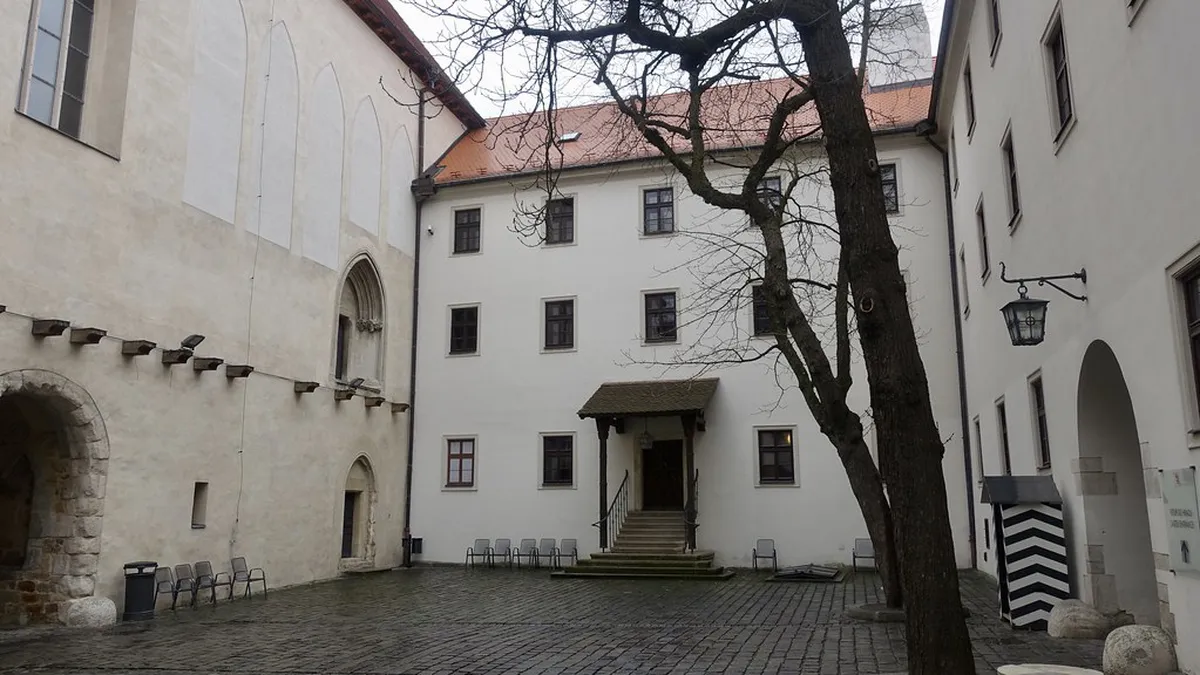
Exploring the Dark History of Spilberk Castle Prison
Spilberk Castle stands on a steep hill overlooking the city of Brno. It is one of the most famous landmarks in the Czech Republic. Many visitors come to see its grand walls and beautiful views. However, the site hides a much darker past.
The history of Spilberk Castle prison is filled with stories of suffering and strength. For centuries, this fortress served as a feared jail for political prisoners. It earned the name "Prison of Nations" during the Habsburg era. Today, it is a museum that tells these haunting stories.
In this guide, we will explore the best things to see at the castle. You will learn about the dungeons, the exhibits, and nearby historic sites. This list helps you plan a perfect trip to Brno’s top attractions.
Quick Picks for Your Spilberk Castle Visit
Are you in a hurry to see the best spots? Here are our top recommendations for your visit. These picks cover the most important parts of the fortress and its history.
- Best Overall: The Casemates (Dark Dungeons)
- Best for History: Prison for Nations Exhibit
- Best View: The Lookout Tower
- Best Nearby: Villa Tugendhat
Each of these locations offers a unique look at the city. You can find more details in our full Spilberk Castle and Casemates guide. Be sure to wear comfortable shoes for the walk up the hill.
Key Eras in the History of Spilberk Castle Prison
The castle began as a royal residence in the 13th century. Over time, it became a massive Baroque fortress. By the late 18th century, Emperor Joseph II turned it into a prison. This change marked the start of the history of Spilberk Castle prison as a place of dread.
During the 19th century, the prison held famous revolutionaries from across Europe. These included Italian Carbonari and Polish rebels. The conditions were famously harsh. Prisoners often lived in damp, dark cells with very little food.
In the 20th century, the castle saw even darker days. During World War II, the Gestapo used the fortress as a prison. Many Czech patriots were held and tortured here. Today, the Visit Czechia board promotes the site as a place of remembrance.
10 Must-See Sights at Spilberk Castle Prison
Explore these ten essential spots to understand the castle's legacy. Each location offers a different perspective on the history of Spilberk Castle prison. From deep dungeons to scenic gardens, there is much to discover.
- Name: The Casemates Type: sight Why go: These are the most famous part of the prison. They are long, dark tunnels built for soldiers and later used for prisoners. Best for: Brave explorers. Where: North and south wings. Time: 45 minutes. Cost: Included in casemates ticket. Getting there: Walk from the main courtyard. Tip: Bring a jacket as it is cold underground even in summer.
- Name: Prison for Nations Exhibit Type: museum Why go: This museum details the lives of the most famous political prisoners. It shows how the prison functioned in the 19th century. Best for: History buffs. Where: Main castle building. Time: 1 hour. Cost: Separate museum fee. Getting there: Entrance near the main gate. Tip: Read the plaques to learn about individual prisoner stories.
- Name: The Lookout Tower Type: viewpoint Why go: It offers the best 360-degree view of Brno. You can see the Cathedral and the city outskirts. Best for: Photographers. Where: Corner of the castle walls. Time: 20 minutes. Cost: Small extra fee. Getting there: Follow signs for the tower stairs. Tip: Go at sunset for the best lighting.
- Name: Baroque Pharmacy Type: indoor exhibit Why go: This is a beautifully preserved 18th-century pharmacy. It shows how medicine was practiced during the castle's early years. Best for: Science fans. Where: Inside the main museum. Time: 15 minutes. Cost: Part of the museum ticket. Getting there: Follow the museum route. Tip: Look for the unique glass jars and wooden cabinets.
- Name: The Great Courtyard Type: architecture Why go: This massive space hosts concerts and festivals. It shows the grand scale of the fortress. Best for: Everyone. Where: Center of the castle. Time: 15 minutes. Cost: Free to enter. Getting there: Main entrance. Tip: Check the Go To Brno site for event schedules.
- Name: The Carillon Type: unique experience Why go: This is a set of 15 bells that play music every hour. It is one of the largest in Europe. Best for: Music lovers. Where: Great Courtyard. Time: 5 minutes. Cost: Free. Getting there: Wait in the courtyard at the top of the hour. Tip: Listen for different melodies depending on the season.
- Name: Royal Chapel Type: sight Why go: A quiet place of worship with beautiful Gothic and Baroque elements. It contrasts with the dark prison cells nearby. Best for: Art lovers. Where: East wing. Time: 20 minutes. Cost: Part of the castle tour. Getting there: Access via the main museum entrance. Tip: Look at the intricate ceiling carvings.
- Name: The Bastion Garden Type: nature Why go: These gardens offer a peaceful escape. They sit on the edge of the castle walls with great views. Best for: Families. Where: Surrounding the castle walls. Time: 30 minutes. Cost: Free. Getting there: Walk the paths around the exterior. Tip: It is a great spot for a picnic.
- Name: Villa Tugendhat Type: day trip Why go: This UNESCO World Heritage site is a masterpiece of modern architecture. It is a short trip from the castle. Best for: Design fans. Where: Cerna Pole neighborhood. Time: 2 hours. Cost: Paid entry (book months in advance). Getting there: Take tram 9 or 11 from the city center. Tip: You must book tickets online well before your visit.
- Name: St. James Ossuary Type: day trip Why go: This is the second-largest ossuary in Europe. It is located under the city center and holds the remains of 50,000 people. Best for: Dark tourism fans. Where: Near St. James Church. Time: 30 minutes. Cost: Paid entry. Getting there: Walk from the city center. Tip: Check the St. James Ossuary guide for details.
Tips for Planning Your Visit to Spilberk
Visiting the castle requires a bit of walking. The hill is steep, so take your time. You can reach the top in about 15 minutes from the city center. Most visitors start at the Husova street entrance.
Check the opening hours and prices before you go. The castle is usually open every day, but museum hours vary. Buying a combined ticket is the best way to save money. This covers the casemates and all museum exhibits.
Summer is the busiest time for tourists. If you want to avoid crowds, visit on a weekday morning. The castle grounds are also beautiful in autumn when the leaves change color. This is a great time for photos of the Brno skyline.
Frequently Asked Questions
What is the history of Spilberk Castle prison?
Spilberk Castle prison began in the late 1700s under Emperor Joseph II. It became the most notorious jail in the Austro-Hungarian Empire. It held political prisoners and revolutionaries for over a century. Today, it serves as a museum dedicated to these prisoners.
How long does it take to tour Spilberk Castle?
Most visitors spend 2 to 4 hours exploring the castle. This includes time for the casemates, the museum, and the lookout tower. If you enjoy history, you may want more time. The walk up the hill takes about 15 minutes.
Are the Spilberk Casemates worth seeing?
Yes, the casemates are the highlight for most visitors. They offer a unique look at the dark history of the prison. The underground tunnels are atmospheric and well-preserved. They show the harsh conditions faced by prisoners in the past.
The history of Spilberk Castle prison is a vital part of Brno's identity. From its royal roots to its dark days as a jail, the fortress has seen it all. Today, it stands as a symbol of endurance and a must-see for any traveler. Be sure to explore the casemates and enjoy the city views. For more planning help, see our guide on Spilberk Castle prices and hours. Enjoy your trip to Brno!
Official resources
Use these sources for official schedules, tickets, routes, and updates.
- Go To Brno — Official tourism portal; unverified source.
- City of Brno — Official municipal portal; unverified source.
- UNESCO World Heritage - Villa Tugendhat — International heritage designation; unverified source.
- Lonely Planet Brno — Major editorial travel guide; unverified source.
- Visit Czechia — National tourism board; unverified source.
- Brno-Tuřany Airport — Official airport authority; unverified source.