
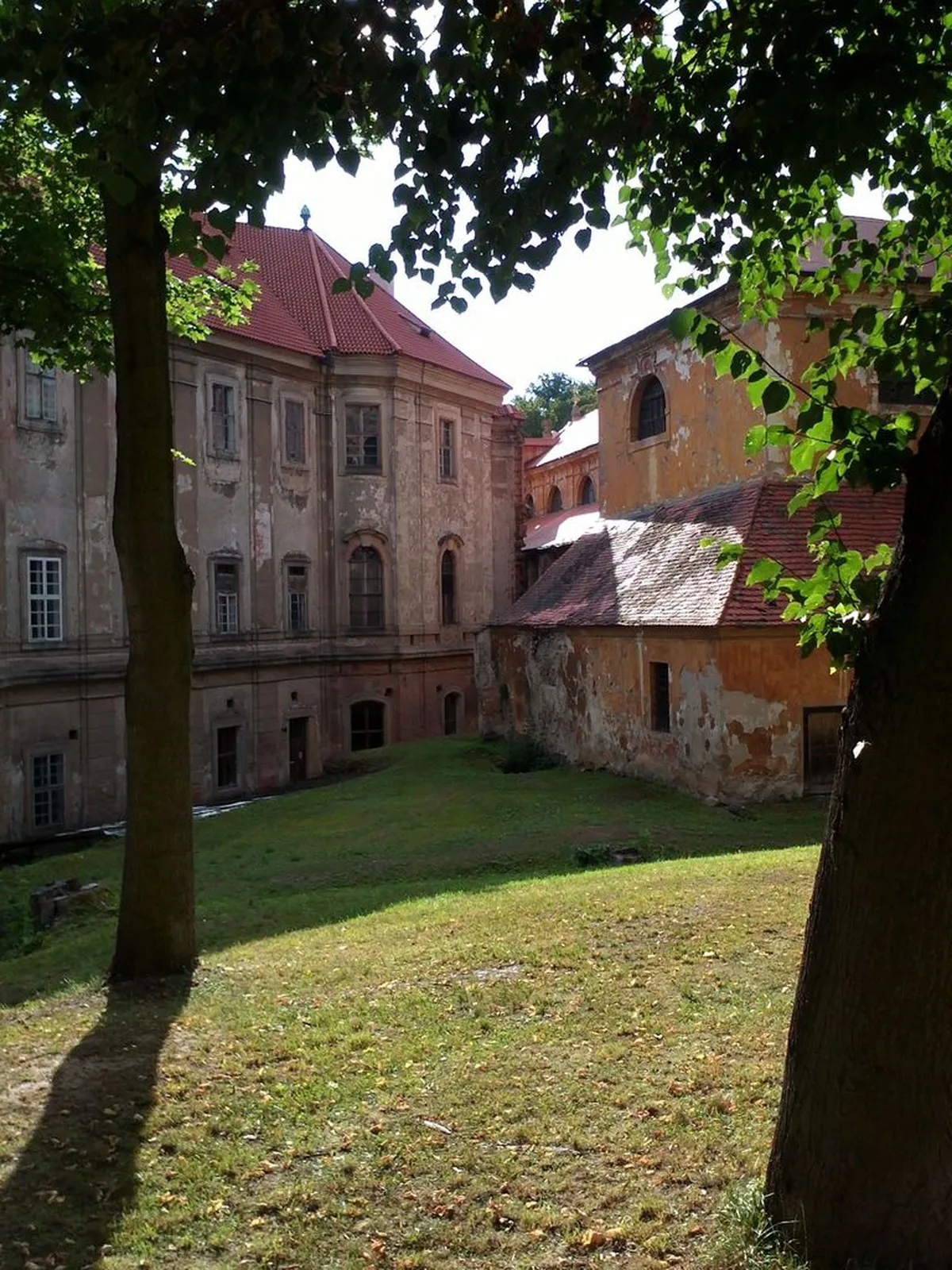
How to Plan a Plasy Monastery Architecture Tour in 2026
A Plasy Monastery architecture tour offers a deep look into one of Europe's most unique historical building projects. This massive Cistercian complex sits near Plzeň and showcases the incredible genius of the architect Jan Blažej Santini-Aichel. You will find a blend of Gothic and Baroque styles that defines the rich cultural heritage of Czechia. Visitors in 2026 can explore the stunning interiors and learn about the complex engineering that supports this structure.
How to Reach Plasy from Plzeň for Your Tour
You can easily reach the town of Plasy by taking a direct train from the main station in Plzeň. The train journey typically takes about thirty minutes and offers beautiful views of the rolling West Bohemian countryside. Check the latest schedules online to find the how to reach Plasy from Plzeň by train options for your trip. Most trains run every hour, making it very convenient for travelers staying in the city center.
Driving to the monastery is another great option if you prefer a more flexible schedule during your visit. The drive from Plzeň takes approximately twenty-five minutes via the main road heading north toward the town of Plasy. You will find a large parking lot located just a short walk away from the main monastery entrance. This allows you to combine your visit with other best excursions from Plzeň throughout the day.
Regional buses also connect Plzeň with Plasy, though they may take slightly longer than the local train service. Bus stops are centrally located in both towns, providing easy access for those who do not wish to drive. Always verify the current bus times on the Visit Plzeň website before you start your journey. Using public transport is an affordable and sustainable way to explore the beautiful architecture found across the region.
Cycling to Plasy is a popular choice for active travelers during the warmer spring and summer months in 2026. Dedicated bike paths lead you through lush forests and along the Střela river as you approach the monastery grounds. The route is mostly flat, making it accessible for casual cyclists looking for a scenic outdoor adventure near Plzeň. Ensure your bike is in good condition before attempting the twenty-five kilometer ride from the city.
Booking Your Plasy Monastery Architecture Tour
Securing your spot on a guided tour is essential for anyone interested in the complex history of the monastery. You should book your Plasy Monastery water system guided tour tickets online well in advance. During the peak summer season of 2026, these popular architecture tours often sell out several days before the date. Online booking ensures you get your preferred time slot and avoids long waiting times at the ticket office.
The monastery offers several different tour circuits that focus on various aspects of the convent and the church. The architecture-focused tour is the most popular choice for visitors who want to see the famous Santini staircases. Expect to pay around 200 to 250 CZK for a standard adult ticket for the main guided circuit. Discounted rates are usually available for students, seniors, and families traveling together during the 2026 tourist season.
Guided tours are typically conducted in the Czech language, but English tours are available at specific times each day. You can also request a printed guide or an audio device to follow along if an English guide is unavailable. Group sizes are kept small to ensure everyone can hear the guide and see the architectural details clearly. Plan to arrive at the monastery at least fifteen minutes before your scheduled tour time to check in.
If you are traveling with a large group, it is best to contact the monastery administration via email. They can arrange private tours that cater specifically to your group's interests in history or Baroque architectural design. Private tours offer a more personalized experience and allow for more questions about the unique building techniques used here. Always check the official Visit Czechia portal for any special events or closures during your planned visit.
Highlights of Santini’s Baroque Masterpiece
The convent building at Plasy is a prime example of the creative genius of architect Jan Blažej Santini-Aichel. He utilized complex mathematical principles to create spaces that feel both massive and incredibly light at the same time. You will see many Santini architecture examples in Plasy Monastery throughout the guided walk. The self-supporting spiral staircases are perhaps the most famous feature of his work within this historic Cistercian site.
Santini’s design focuses on the symbolic use of light to enhance the spiritual atmosphere of the monastery rooms. Large windows and strategically placed mirrors reflect natural light into the deep corridors and the grand main hall area. This technique creates a sense of openness that was revolutionary for the early eighteenth century when the convent was built. The harmony between the structural elements and the decorative details is a hallmark of the Santini-Aichel style.
The monastery chapel also showcases the unique blend of Gothic and Baroque elements that Santini was known for creating. He often combined sharp Gothic arches with flowing Baroque curves to produce a completely new architectural language in Bohemia. This style is often referred to as Baroque Gothic and is unique to the Czech lands during this period. Take time to admire the intricate masonry and the way the ceiling vaults seem to float above you.
Walking through the main convent corridors allows you to appreciate the perfect symmetry that Santini integrated into his plans. Every room and hallway serves a specific purpose while contributing to the overall aesthetic balance of the entire complex. The geometry used in the floor plans reflects the Cistercian order's values of simplicity, order, and spiritual focus. It is truly a masterpiece that continues to inspire architects and historians from around the world today.
Exploring the Unique Water Foundation System
One of the most fascinating parts of the tour is learning about the hidden foundations of the monastery. The entire convent building rests on 5,100 oak piles driven deep into the marshy ground near the river. These wooden piles remain strong only as long as they are completely submerged in water to prevent any rot. This engineering solution was incredibly bold for the time and remains functional over three hundred years later.
A complex system of water channels and basins ensures that the water levels under the building remain perfectly constant. During the tour, you can look down into special viewing wells to see the water that preserves the oak. If the water levels were to drop, the wood would begin to decay and the building would collapse. This delicate balance requires constant monitoring by the monastery staff to protect the structural integrity of the site.
The water system also served practical purposes for the monks who lived in the monastery during the eighteenth century. It provided a reliable source of water for cleaning and helped to regulate the temperature within the lower levels. You will see how the architects integrated these functional needs into the grand design of the Baroque convent building. It is a rare example of historical engineering where the foundation is just as impressive as the architecture.
Visitors are often amazed by the foresight of the builders who designed this sustainable and long-lasting foundation system. The tour explains the technical challenges they faced and the innovative solutions they used to overcome the swampy terrain. Understanding this hidden aspect of the monastery makes the beauty of the upper floors even more impressive to see. It highlights the deep connection between the natural environment and the man-made structures of the Plzeň region.
Essential Tips for Your 2026 Monastery Visit
When planning your visit in 2026, remember that the monastery interiors can remain quite cool even during summer. The thick stone walls and the underground water system keep the temperature inside the convent around fifteen degrees Celsius. It is a good idea to bring a light jacket or a sweater to stay comfortable during the tour. Wearing comfortable walking shoes is also highly recommended as you will be on your feet for over an hour.
Photography is generally allowed in most areas of the monastery, but you must follow the specific rules for each room. Some sections may prohibit the use of a flash to protect the delicate historical paintings and wooden carvings found there. Always ask your guide for permission before taking photos of the more sensitive parts of the interior exhibits. Capturing the light hitting the Santini staircases is a highlight for many amateur and professional photographers alike.
- Check the official website for the most current 2026 opening hours before you arrive.
- Bring a bottle of water as there are no shops inside the historical convent buildings.
- Allow at least two hours for the full tour and to explore the surrounding grounds.
- Visit the nearby local brewery in Plasy for a traditional Czech meal after your tour.
The town of Plasy offers several charming cafes and restaurants where you can relax after your architecture tour is finished. Many of these establishments serve local specialties from the Plzeň region that are perfect for a midday lunch break. You can also take a short walk along the river to enjoy the peaceful atmosphere of the monastery park. This makes for a complete and rewarding day trip from the busy city center of Plzeň.
Frequently Asked Questions
How long is the Plasy Monastery architecture tour?
The standard guided architecture tour at Plasy Monastery usually lasts about sixty to seventy-five minutes. This time includes a walk through the main convent rooms, the Santini staircases, and the water foundation system. You should plan for extra time to explore the exterior grounds and the nearby church.
Is the monastery accessible for people with limited mobility?
Parts of the monastery are accessible, but the architecture tour involves several flights of stairs and uneven historical floors. The famous spiral staircases are a key part of the tour and may be difficult for some visitors. Contact the monastery in advance to discuss specific accessibility needs for your 2026 visit.
Can I visit Plasy Monastery without a guided tour?
You can walk around the exterior grounds and visit the monastery church freely during the regular opening hours. However, access to the main convent building and the unique water system is only possible with a guide. Taking the tour is the best way to see the impressive Santini-Aichel architectural details.
A Plasy Monastery architecture tour is a must-see experience for anyone visiting the Plzeň region in 2026. This site combines incredible Baroque design with unique engineering that has stood the test of time for centuries. Make sure to book your tickets early and enjoy the peaceful beauty of this West Bohemian cultural gem. For more ideas, explore the Kladruby Monastery excursion to see more Santini masterpieces.
Official resources
Use these sources for official schedules, tickets, routes, and updates.
- Visit Plzeň — Official city tourism board; unverified source.
- City of Plzeň — Official municipal portal; unverified source.
- Visit Czechia — National tourism board; unverified source.
- Lonely Planet — Major international travel guide; unverified source.
- Pilsner Urquell Brewery — Primary industrial heritage site; unverified source.
- Techmania Science Center — Major educational attraction; unverified source.
- University of West Bohemia — Major public university; unverified source.